The Traditional Role of Matchmakers
For generations, matchmakers in Pakistan have acted as trusted intermediaries. They:
Connect families with similar backgrounds and values
Share biodata and family details
Arrange initial meetings
Help negotiate expectations regarding education, career, and lifestyle
In many communities, especially in cities like Lahore, Karachi, and Islamabad, traditional matchmakers still operate through personal networks and word-of-mouth referrals.
Their strength lies in trust, confidentiality, and strong community connections.
How Matchmaking Works in Pakistan
The process usually begins when a family expresses interest in finding a proposal. The matchmaker gathers information such as:
Age and education
Profession and income
Family background
Religious preferences
City of residence
Once a potential match is found, families exchange details. If both sides agree, a meeting is arranged — often at home or a neutral place.
Unlike Western dating culture, matchmaking in Pakistan typically involves family supervision and guidance.
The Rise of Online Matchmaking
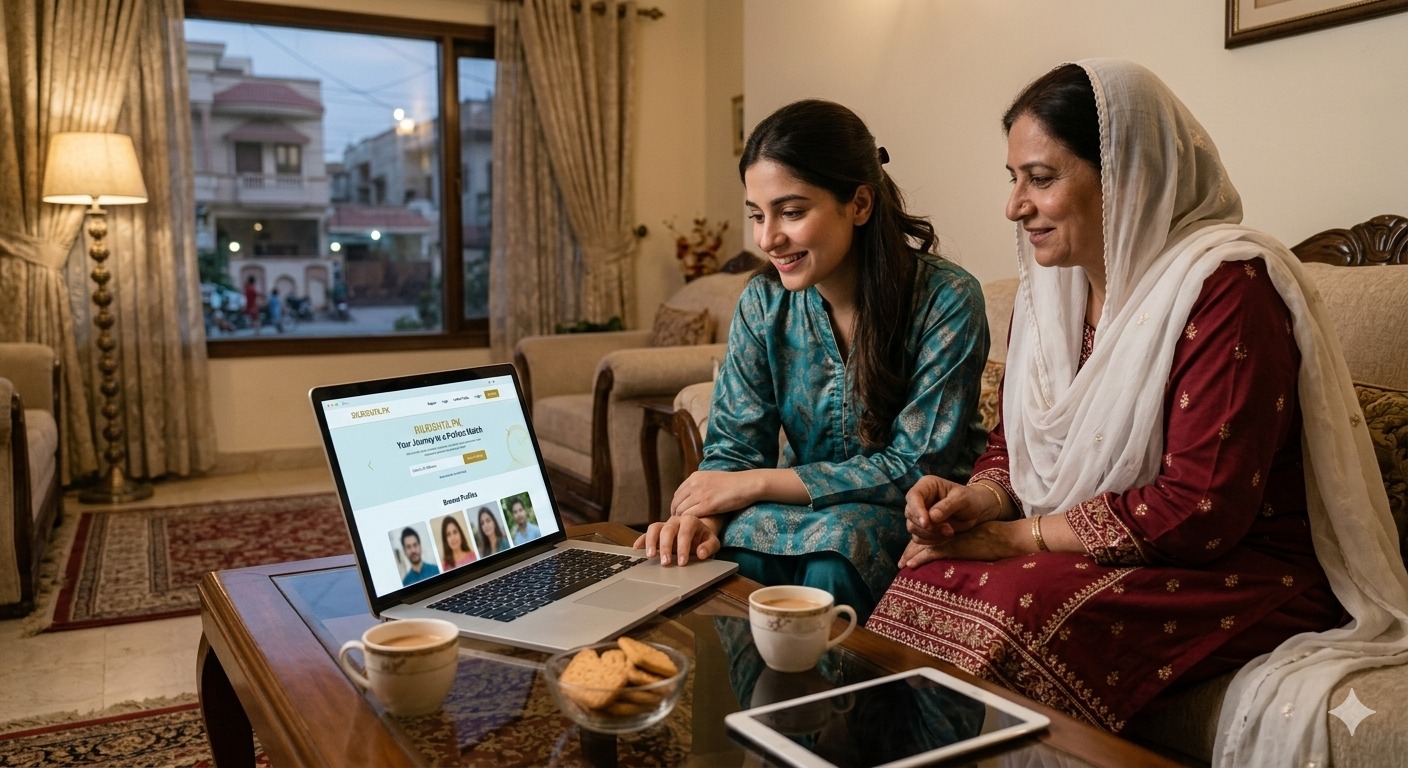
In recent years, online matrimonial platforms have transformed the traditional rishta system.
have become popular among Pakistanis, especially overseas communities.
Social media platforms such as Facebook also host private marriage proposal groups where admins act as digital matchmakers.
This shift allows:
Wider search options
Overseas matches
Privacy controls
Direct communication
Modern Matchmakers: Blending Old and New
Today, many professional matchmaking consultants operate as formal businesses. They:
Charge registration fees
Verify profiles
Offer personalized matching
Provide counseling services
These modern matchmakers combine traditional cultural understanding with modern screening methods.
Challenges in Pakistani Matchmaking
Despite its benefits, matchmaking in Pakistan faces challenges such as:
Unrealistic expectations
Class and caste preferences
Emphasis on financial status
Social pressure
However, many matchmakers try to focus on compatibility, values, and long-term stability rather than superficial factors.
Why Matchmakers Still Matter
Even with technology, personal matchmakers remain relevant because:
They understand family dynamics
They maintain confidentiality
They offer emotional support during the process
They reduce the stress of searching
For many families, a trusted matchmaker provides peace of mind and guidance during one of life’s most important decisions.
Final Thoughts
Matchmakers in Pakistan represent a unique blend of tradition and adaptation. Whether through a neighborhood rishta aunty or an online platform, the goal remains the same: helping two compatible individuals build a happy, stable future together.
In a society where marriage is deeply valued, matchmakers continue to serve as the bridge between families, culture, and modern expectations.